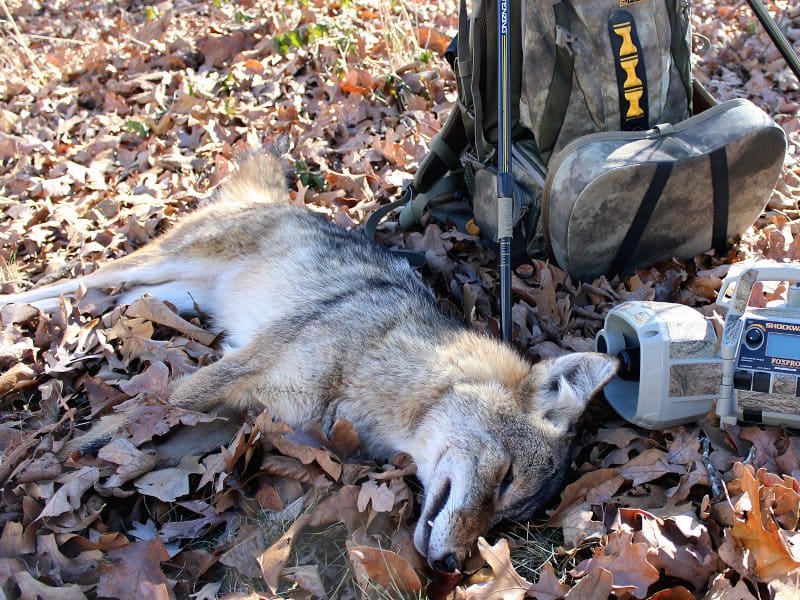
Though it may seem obvious that every hunter wants to be more successful, how does one go about reaping more success as a predator hunter?
Many coyote hunters become discouraged after they experience a streak of uneventful calling stands. This streak of misfortunes typically sees the disheartened hunter seeking intel from veteran hunters on their mysterious secrets to taking more coyotes consistently. With the many possible mistakes hunters can make, predator callers must evaluate themselves before the season and ensure they are prepared.
Recently, I taught a children’s sermon at my church titled “be prepared.” In the lesson, I mentioned how the Boy Scouts and the Girl Scouts have the same motto; “be prepared.” Preparation is imperative for them to be good scouts and succeed. In our everyday lives, we must always be prepared for anything that is thrown our way to achieve success. Though the object of the lesson was to be ready for life situations, predator hunters can live by the same motto when trying to increase their harvest count. With winter quickly approaching, a new season of calling predators is upon us. Before the season begins, there are three things that every predator hunter should have marked off their list—checking the below three tasks off as completed could very well result in the best year of predator calling to date.
Scouting
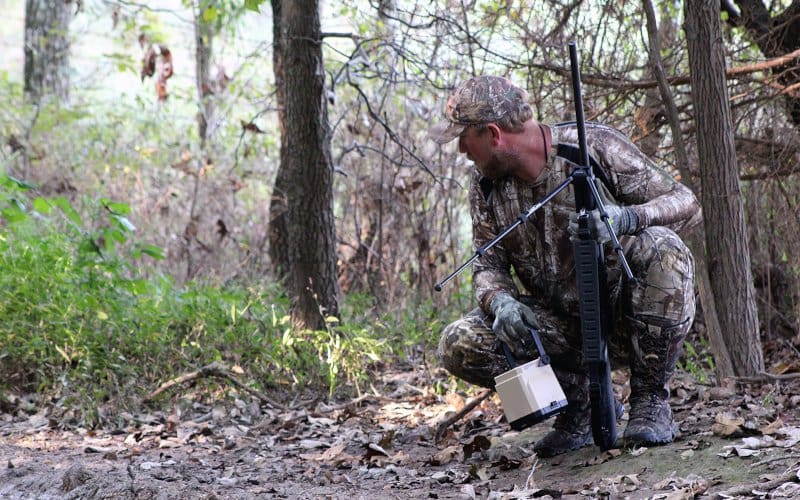
I have often stated that scouting is the most crucial part of a predator hunter’s triumph. One of the most common faults that coyote callers make is hunting in places lacking coyotes. Hunting in an area only because it looks good is not enough. More than an eye-catching area is needed to produce a coyote each time the electronic caller is turned on. To increase their coyote response record, hunters must scout the land they will be calling on weeks before the actual hunt.
When scouting for coyotes, it is vital to remember not to scout solely for the presence of coyotes. It is a must to find droppings, tracks, and den sights. Plus, visually encountering coyotes ensures that the area produces when it is time to hunt. After I find an area with a significant amount of coyote signs, I then use a GPS hunting app such as OnX Maps to mark all the places where I have noted the presence of coyotes. I locate the best option to enter and leave each calling stand location with favorable wind direction options and areas with minimal risk of coyotes seeing me from longer distances. Hunting where coyotes are known to be and approaching those areas without coyotes realizing that a hunter is around are two critical factors that result in higher success rates when hunting.
Properly Setup Firearms
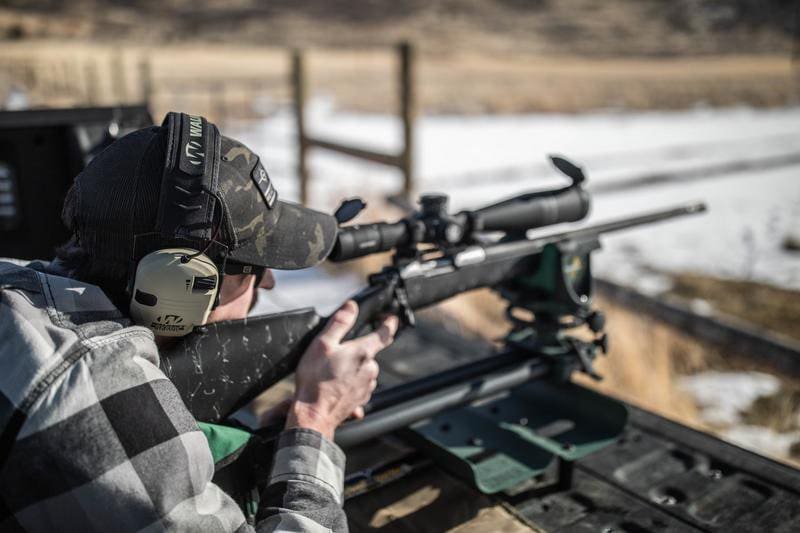
One of the most rewarding factors of being prepared is the confidence it can produce. A great way to produce confidence as a predator hunter is to ensure the firearm has been adequately set up for coyote hunting. The perfect rifle for hunting coyotes must be equipped with a quality scope. When many hunters think about shooting coyotes, they picture long-distance shooting. Although a long shot is needed now and then, the most made shot on a coyote is a hundred yards or closer. A low-magnification scope capable of a fast target acquisition can often be the ideal scope for predator hunters.
After finding the preferred caliber of choice, and a lower-magnification scope, it is time to head to the shooting range. For shooters to become confident in their ability, practicing is a must. Hunters and shooters need to grab their Walkers Razor Ear Muffs and spend adequate time on the range until the firearm is shooting properly and the shooter has created confidence in their ability to head to the field and harvest coyotes. When a hunter has self-assurance in making a successful shot, they will take more coyotes during a season.
Get A Vest/Pack
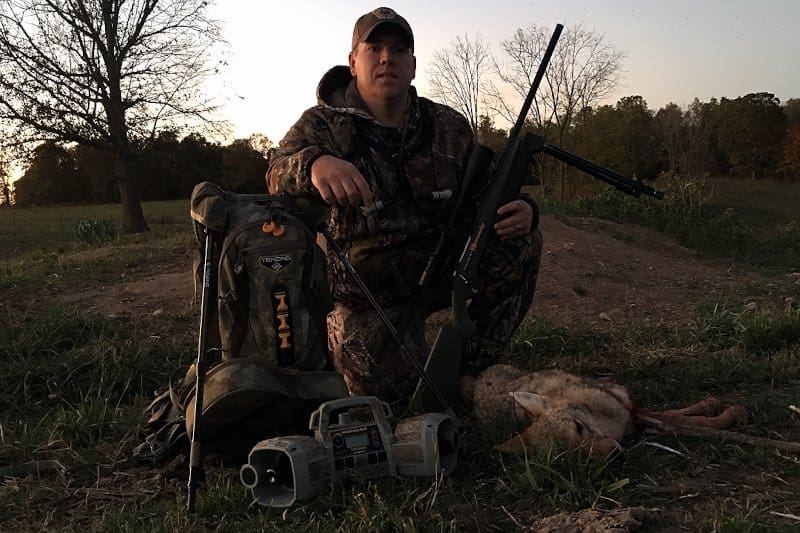 Another key to proper preparation is being organized while hunting. I prepare by using a vest or a pack to keep all my gear organized and ready; my pack of choice is the Tenzing TZ PP15 Predator Pack. Inside the large storage portion of the pack are multiple pockets to keep all my gear in its designated spot. Plus, a patented spring-loaded leg design with a built-in seat cushion keeps me comfortable while on a calling stand for a more extended period. This is another vital factor in increased success when calling coyotes.
Some of the gear I keep inside the PP15 predator pack includes a wind indicator, binoculars, a range finder, gloves, extra ammunition, hand calls, diaphragm calls, scents, and scent-eliminating spray. By having all my gear within reach, I feel like that of a skilled mechanic who has their toolbox nearby, ready to fix any problem.
Having the right tool can often be the deciding factor for success. These tools can only be used when hunting by always having them nearby. When wearing the predator pack while hunting, I have the advantage of having any items I need for success.